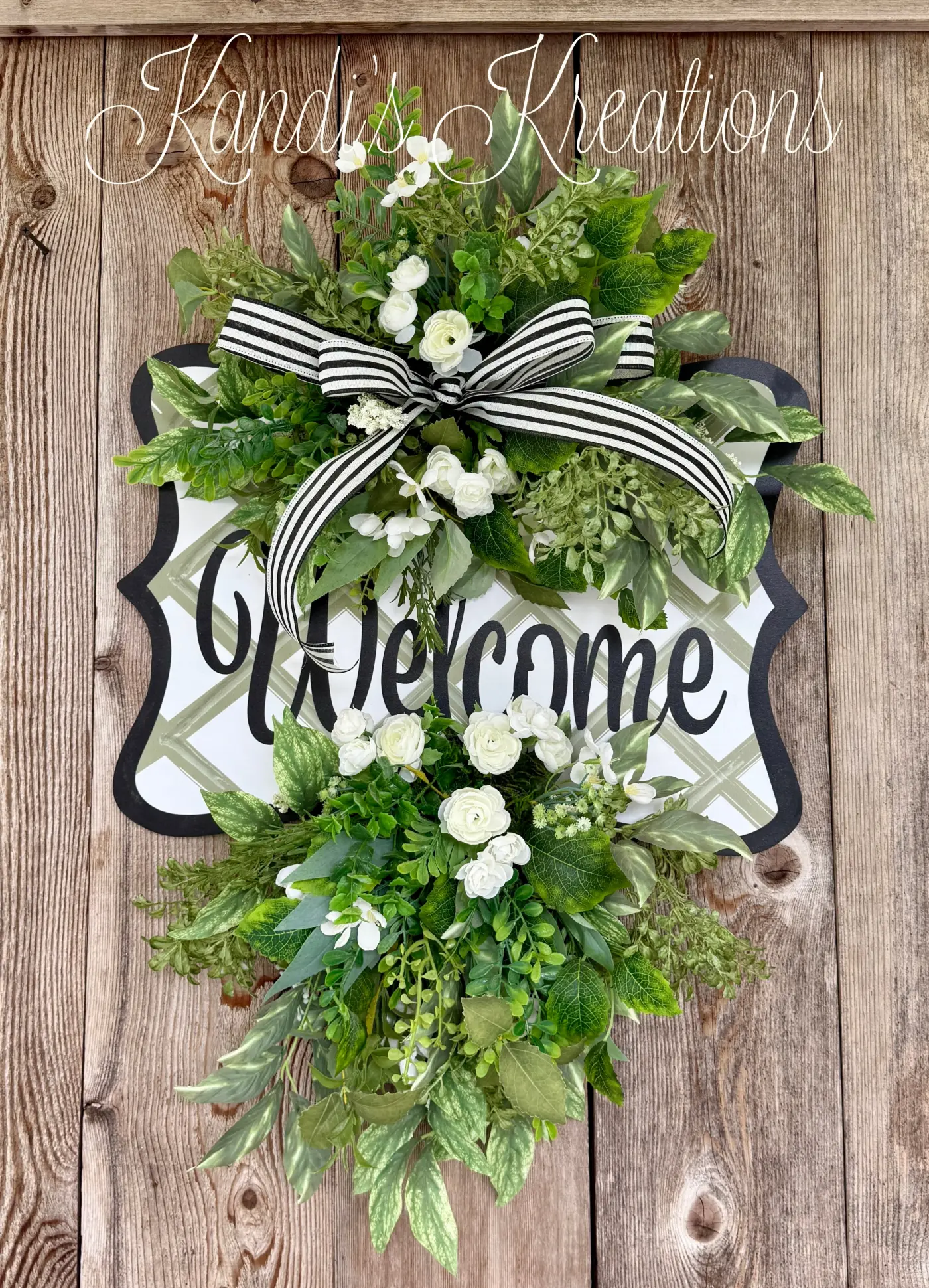
Anyone who has hung a wreath in Savannah knows the air here is never really dry. Even in late fall and winter, fog rolls in off the marsh, mornings start damp, and a porch can stay wet well into the afternoon. Over the years in our workshop we have seen what that does to a front door piece: ribbons that go limp and stain, glue that lets go, foam bases that swell, and natural materials that pick up a gray film by January.
The good news is that most of it is predictable. Some materials shrug off humidity and some do not, and where your door sits matters as much as what the wreath is made of. Here is what we look for when choosing wreaths for humid climate conditions like ours, and what we tell customers who ask why last year's wreath gave out early.
What humidity actually does to a wreath
Moisture works on a wreath in three ways. It softens anything with paper, fabric or untreated fiber, so bows collapse and leaves curl. It weakens some adhesives, so stems and picks slowly loosen and drop. And it feeds mildew on organic materials that stay damp without drying out between rainy spells.
Sun is the other half of the problem. A door that gets wet at night and baked in the afternoon cycles through swelling and drying every day, and that is what fades color and cracks finishes fastest. A wreath that only sees one of those, damp or sun, will last much longer than one that sees both.
Bases: what sags and what holds
The base is the skeleton, and it decides whether the whole piece keeps its shape.
- Grapevine handles humidity well. It is natural and will darken a little over time, but it breathes and dries out, and it rarely mildews if air can move around it.
- Deco mesh is made of synthetic material, so it does not absorb water. It can lose some of its fluff in heavy wind and rain, but it does not rot.
- Wire frames hold up fine as long as the wire is coated. Bare wire can rust and leave streaks on a painted door.
- Foam and straw bases are the ones we see fail most often in damp air. Foam can hold moisture against the stems, and straw can sour and mildew from the inside.
If you are deciding between the two most common options, our post on grapevine vs. deco mesh goes into how each one looks, weighs and wears.
Ribbons and florals that keep their color
Ribbon is usually the first thing to go. Look for wired ribbon, because the wire holds the loops up even when the fabric relaxes in damp air. Synthetic ribbons hold their shape and color better outdoors than cotton, burlap or linen. Real burlap has a lovely texture but it absorbs water, sags and can stain the door beneath it, so we save it for covered spots.
For florals and greenery, quality faux stems are the practical choice on the coast. Better stems have color that runs through the material rather than sitting on the surface, so they fade more slowly. Glittered and flocked pieces are pretty for the holidays, but flocking can clump and glitter can shed when it gets wet. Dried naturals like pampas, cotton and dried citrus look wonderful and are fine indoors or under deep cover, but they will droop or spot if rain reaches them.
Also check how things are attached. Picks and stems that are wired into the base, not only glued, stay put through a humid season.
Covered porch versus exposed door
This is the question that matters most when you choose a piece.
On a covered porch with a solid roof, you have room to play. Grapevine with mixed textures, a fuller ribbon bow, even some dried elements will do well as long as the door is not getting direct afternoon sun. Your main job is airflow. A wreath pressed flat against a door that never dries out can still mildew on the back.
On an exposed door, or a porch where rain blows in sideways, keep it simple and synthetic. Choose:
- Deco mesh or grapevine with faux greenery and florals
- Wired synthetic ribbon in mid-tones, which hide fading better than very dark or very bright colors
- Fewer delicate add-ons that can catch water or blow loose
If your door faces west or south and gets strong sun, expect reds and deep purples to fade first. For more on matching a piece to the rest of the porch, see our fall porch ideas for a Southern front door.
Small habits that add seasons to a wreath
A few easy steps go a long way in our climate:
- Use a hanger with a small bumper or spacer so air moves behind the wreath and the door paint stays protected.
- After a long rainy stretch, take the wreath down for a day and let it dry somewhere with airflow.
- Fluff ribbon loops and reshape stems by hand every week or two.
- Before storing, make sure everything is completely dry. Packing a damp wreath is the most common way mildew starts.
When the holidays wrap up, our guide on how to store seasonal wreaths walks through boxes, bags and where to keep them so they come out ready next year.
Find a piece built for your door
Every piece we make in our Savannah workshop is built by hand with damp coastal weather in mind. Browse the shop for one-of-a-kind wreaths, swags and arrangements, and if you want to know what will suit a covered or exposed door, tell us about it and we are happy to help. If you would rather build your own, join the Kreative Krew for tutorials that show you how to choose materials and put together a wreath that holds up season after season.
Frequently asked questions
What is the best wreath base for a humid climate?
Grapevine and deco mesh both hold up well. Grapevine breathes and dries out between damp spells, and deco mesh is synthetic so it does not absorb water. Foam and straw bases are more likely to hold moisture and mildew.
Why did my wreath ribbon go limp outside?
Fabric ribbons like cotton, linen and burlap absorb moisture and relax in damp air. Wired synthetic ribbon keeps its loops and color much better on a coastal porch.
How do I keep a wreath from mildewing on my door?
Give it airflow with a hanger that holds it slightly away from the door, take it down to dry after long rainy stretches, and make sure it is fully dry before you store it.